Seasonal Flooding May Not Be Good for Residents, Fish Love it
Seasonal flooding in Michigan varies in intensity from year to year, but regardless of how severe it is, these floods benefit fish and other aquatic species.
Spring Showers Bring Seasonal Flooding
 Christian Lue on Unsplash" loading="lazy" onload="this.parentNode.parentNode.classList.add('frame-loaded');" onerror="this.parentNode.parentNode.classList.add('broken-image');" fetchpriority="low" width="6000" height="4000"/>
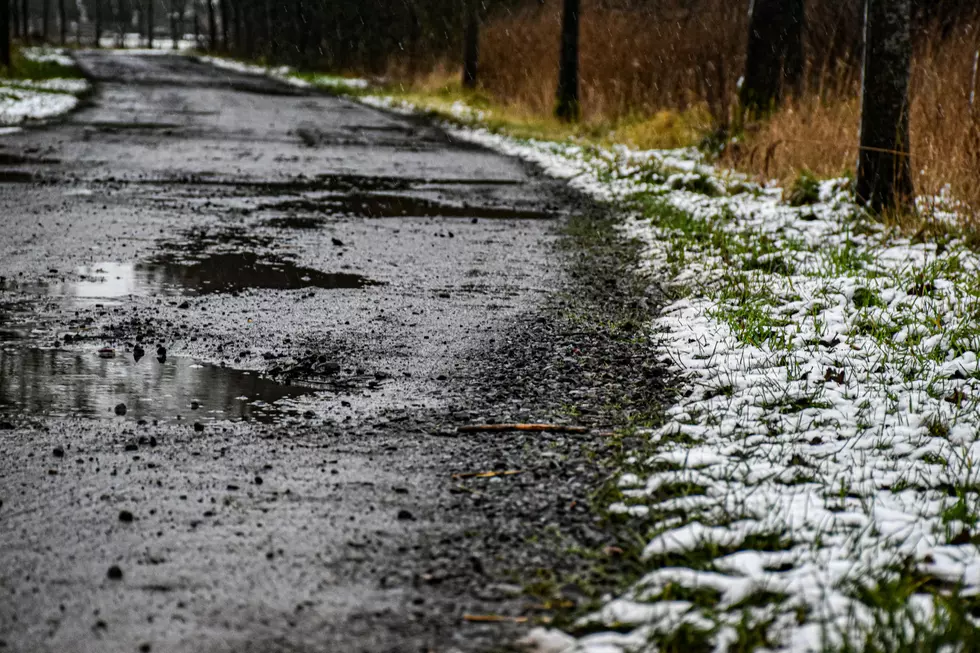
Spring flooding is common in Michigan as melting ice and snow combine with increased rainfall. The excess water doesn’t just flow into storm drains; it also drains into rivers, lakes, and even across lawns.
 Chris Gallagher on Unsplash" loading="lazy" onload="this.parentNode.parentNode.classList.add('frame-loaded');" onerror="this.parentNode.parentNode.classList.add('broken-image');" fetchpriority="low" width="6000" height="4000"/>
In West Michigan, rivers such as the Grand, Thornapple, Rogue, Flat, Kalamazoo, and Muskegon often overflow during spring flooding. The severity of the flooding depends on how much snow and ice accumulated over the winter, as well as the amount of spring rainfall, and it can lead to serious problems for residents living nearby.
Read More: New Michigan DNR Burn Tool Simplifies Permits
That being said, these overflowing rivers actually can benefit fish and aquatic species.
Flooding Frustrates Communities, Benefits Fish Survival

According to WZZM-13, spring flooding can benefit fish and other aquatic organisms. Matt Herbert, a conservation scientist with The Nature Conservancy, explained, “Flooding is a natural phenomenon, it’s a completely natural process that many species actually depend on.”

Herbert went on to say, "The landscape will absorb a lot of those nutrients, which is a good thing. It helps make our waterways cleaner, and helps with algal blooms."
 Balikó András on Unsplash" loading="lazy" onload="this.parentNode.parentNode.classList.add('frame-loaded');" onerror="this.parentNode.parentNode.classList.add('broken-image');" fetchpriority="low" width="4928" height="3280"/>
Flood conditions help spawning fish move upstream more easily up rivers and streams, improving overall fish populations. Flooded areas also provide additional food sources in overflow zones. While this can make fishing more difficult for anglers, it ultimately leads to a larger, healthier fish population in the following season.
👇BELOW: Dead Stream Flooding: The Longest Swamp in Michigan👇
Dead Stream Flooding: The Longest Swamp in Michigan
More From 97.9 WGRD