Heavy Snow Weighed on U.P. Deer Survival
The severe winter of 2025–2026 brought heavy snowfall to Michigan’s Upper Peninsula, making it difficult for white-tailed deer to find food and survive.
Heavy Snow Creates a Nutritional Bottleneck for U.P. Deer

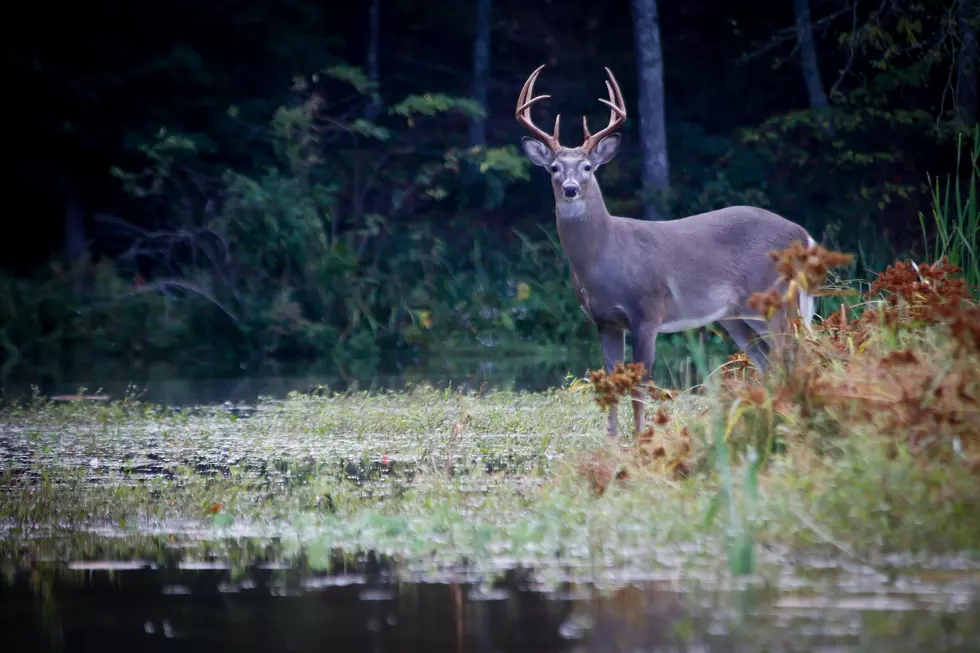
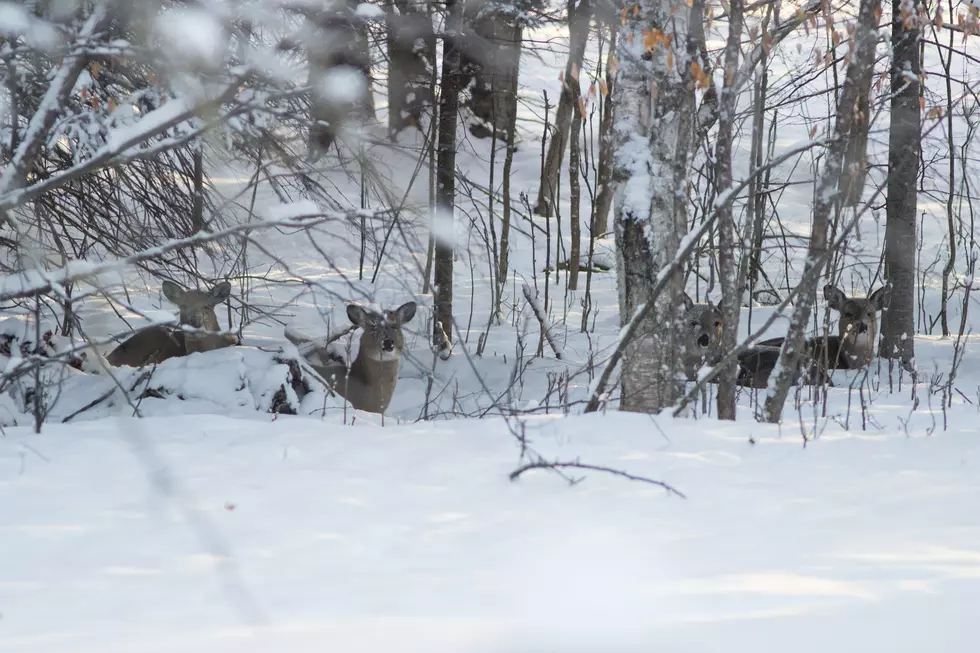
White-tailed deer naturally gather in groups during winter to conserve warmth, reduce energy use, improve protection from predators, and make travel and foraging more efficient. While snow is a defining feature of Michigan's Upper Peninsula winters, excessive snowfall creates significant challenges. Deep snow limits deer ability to move, reach food sources, and conserve energy, increasing the risk of malnutrition, starvation, and winter mortality.
Read More: Michigan Storm Sets New Two‑Day Snow Record
Heavy snowfall in Michigan's Upper Peninsula may be welcome news for skiers, snowboarders, and snowmobilers, but it can be a serious hardship for the region's white-tailed deer herd.
Brutal Winter Reduced U.P. Deer Numbers

Before the harsh winter of 2025–2026, Michigan's Upper Peninsula deer herd had been showing signs of steady improvement. Despite pressure from predators such as cougars, wolves, black bears, and coyotes, deer numbers had been increasing, and hunters were encountering more mature white-tailed bucks, an encouraging indicator of a healthier, growing herd.
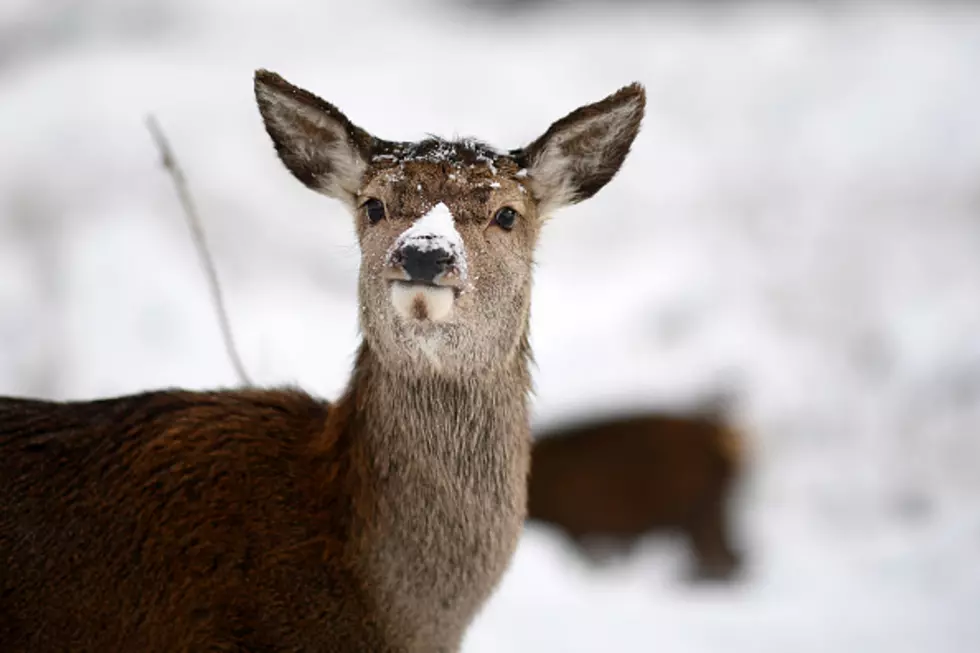
According to a Michigan Department of Natural Resources press release, wildlife biologists examined road-killed deer during late winter and spring field necropsies and found widespread evidence of starvation.
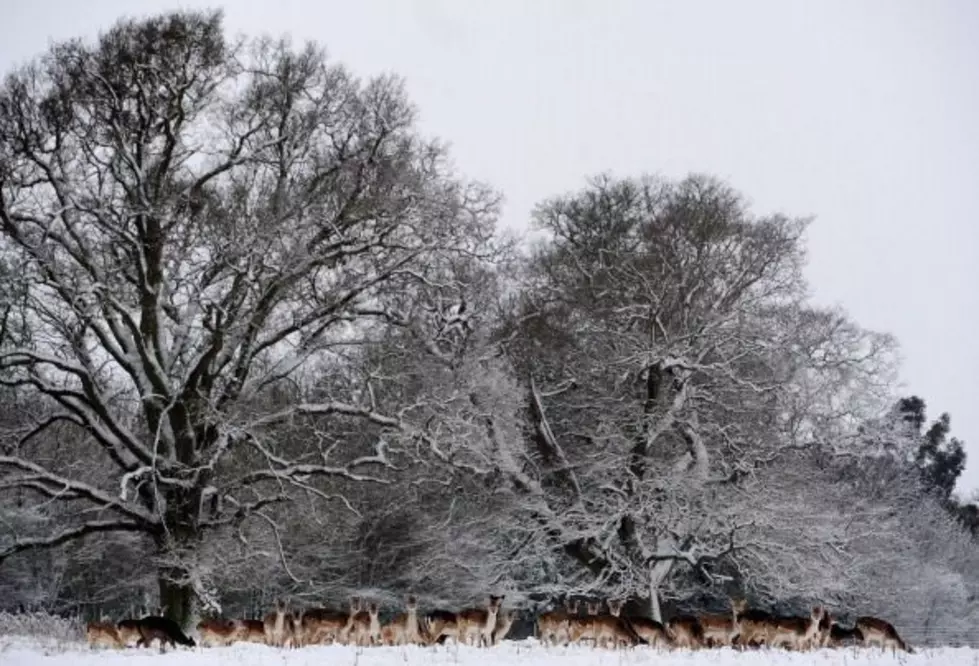
The winter of 2025–2026 became one of the most challenging seasons for Michigan's Upper Peninsula deer herd in the past 25 years, with 111 days of snow depths reaching 12 inches or more. In March, back-to-back blizzards added nearly 3 feet of snow in just two days, making travel and finding food extremely difficult. The harsh conditions also left deer more vulnerable to predators as weakened animals struggled to survive.

Historical data compiled by the Michigan DNR shows that severe winters often result in a lower buck harvest the following hunting season. While this doesn't mean hunters should avoid their traditional U.P. camps, it may be a good opportunity to focus on harvesting does and allow the buck population more time to recover for future seasons.
👇BELOW: 2025 Michigan Deer Season All Seasons Harvest Report👇
2025 Michigan Deer Season All Seasons Harvest Report
Gallery Credit: Scott Clow
More From 97.9 WGRD