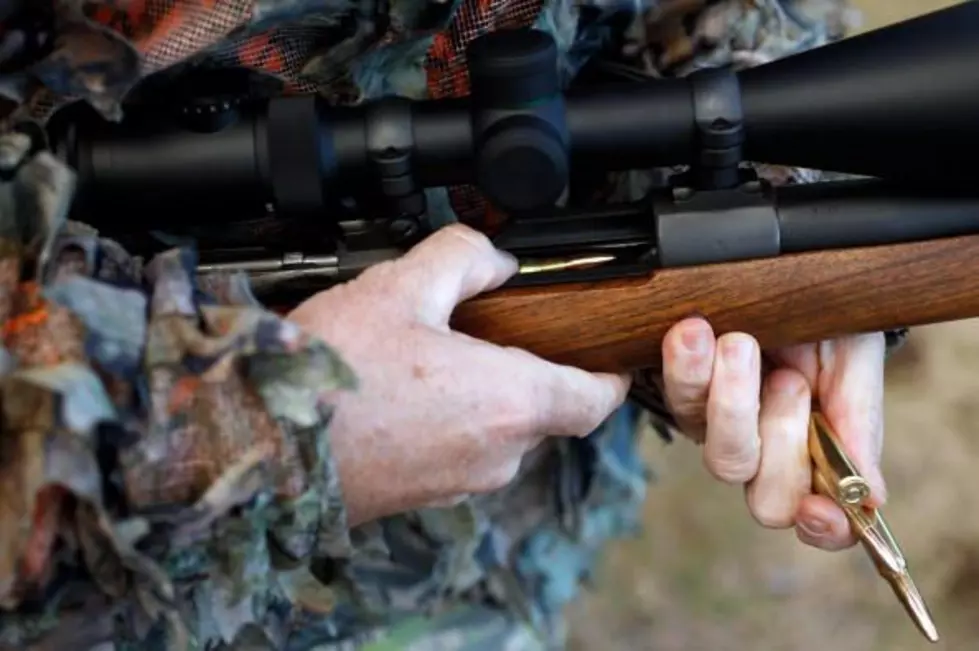
Not everyone heading out for deer season is an experienced hunter. That’s why the Michigan Department of Natural Resources is sharing tips to help hunters stay safe and have a successful firearm deer season.
Michigan's Firearm Deer Season Tradition

Michigan has had an official deer hunting season since 1859, the familiar November 15-30 firearm season dates became a tradition in 1925. By the 1930s, the tradition of Michiganders heading “up north” to deer camp was starting to catch on. By the 1950s, it had become a popular part of Michigan culture.

Whether it’s camping in tents, staying in campers or RVs, renting cabins, or enjoying fully equipped hunting lodges, families and friends have been heading into the woods every November for generations, hoping to bring home that big buck.
Read More: Michigan Poaching Suspect's Wild Escape Ends Badly
Not every hunter grew up with the tradition of heading up north for deer season. But many new hunters are eager to get out in the woods and bring home some venison to feed their families. The Michigan DNR has put together some helpful tips to give these hunters a better chance of success, even if their parents or grandparents never took part in the hunting tradition.
What Hunters Need to Know Before Opening Day

While many hunters have been busy scouting hunting spots, checking trail cameras, and getting their gear ready, others may be heading into the woods for the very first time and could use a little help getting started. With Michigan’s firearm deer season kicking off Sunday, November 15, 2026, the DNR is sharing its best practices to help hunters stay safe and make the most of their time in the woods, whether hunting on public or private land.

- Properly License and Tag Your Deer - Make sure you have your hunting license before heading into the woods. You can buy one online, through the DNR Hunt Fish app, or at a DNR retail location. If you harvest a deer, attach your physical kill tag before moving the animal. Be sure to fill in the month, date, the deer’s sex, and its antler points. You’ll also need to report your harvest within 72 hours.
- Know your firearm and transport it safely - Before heading out, take the time to make sure your firearm is properly sighted in and functioning correctly. When transporting it, always make sure it's completely unloaded, including the barrel and magazine, and securely enclosed in a case. Keep it stored in the trunk of your vehicle during transport.
- Identify your target and what's beyond it - Before taking a shot, make sure you know the area you're hunting and what lies beyond your target. Every hunter is responsible for knowing where their bullet could end up. Also, remember that hunters must stay at least 450 feet away from any occupied building.
- Respect landowner rights - If you see a “No Trespassing” sign, respect it and stay off the property. If you shoot a deer and it runs onto a neighboring property, you must get the landowner’s permission before entering to track or retrieve it. It’s also a good idea to introduce yourself to neighboring landowners ahead of time and build a positive relationship before hunting season begins.
- Share public land - If you’re planning to hunt on public land, take some time to scout the area and see where other hunters are setting up. Knowing where other hunters will be helps everyone share the woods and gives you a safer plan for getting to and from your hunting spot. Keep in mind that public land is first come, first served, so putting up a tree stand or ground blind doesn’t mean you have exclusive rights to that location. Someone else can legally hunt there, too. If you leave a stand or blind on public land, it must have your name and either your address, driver’s license number, or DNR Sportcard number clearly visible and readable from the ground.
- Leave the land better than you found it - When the season wraps up, make sure you take everything you brought into the woods back out with you. If you come across any trash left behind by others, take a few extra minutes to pick it up. The goal is to leave the woods cleaner and in better shape than you found them.
- Wear hunter orange - Michigan law requires everyone in the woods from November 15-30 to wear hunter orange, even if they aren't hunting. This can be an orange hat, cap, vest, jacket, or raincoat. The orange must be at least 50% of the material and visible from all directions, whether you're on public or private land. It's an important step in making sure everyone stays safe during firearm deer season.
- Know and follow baiting regulations - Baiting rules vary depending on where you're hunting in Michigan. In the Upper Peninsula, hunters can use bait from September 15 through January 1, but they're limited to no more than 2 gallons at a time. The bait must be spread over an area of at least 10 feet by 10 feet, or an equivalent area. In the Lower Peninsula, baiting is not allowed.
- Hunt in-season, during legal hours - Hunters may begin hunting 30 minutes before local sunrise and must stop 30 minutes after local sunset. Be sure to check the sunrise and sunset times for the area where you'll be hunting.
- Be respectful to other hunters - Michigan takes hunter harassment seriously, and it's against the law to interfere with someone else's hunt. That means you can't sabotage a hunting area, make excessive noise, or put up barriers to keep hunters or wildlife out of an area. Destroying another hunter's equipment, including trail cameras or blinds, is also a misdemeanor. The bottom line is to respect other hunters, their equipment, and their right to enjoy the outdoors.

You can find all the information you need for firearm deer season at Michigan.gov/Hunting and 2026 Michigan deer hunting preview.
👇BELOW: 8 Major Michigan Deer Hunting Changes for 2026👇
8 Major Michigan Deer Hunting Changes for 2026
Gallery Credit: Tony LaBrie
2025 Michigan Deer Season All Seasons Harvest Report
Gallery Credit: Scott Clow
More From 97.9 WGRD