Heard of the Invasive Mile-a-Minute Weed? It’s Spreading
Invasive plants remain a growing concern across Michigan, and another fast-spreading species is now spreading from county to county.
The Top 10 Invasive Plants Found in Michigan
Invasive plants find their way into Michigan through a variety of means, including ships, shipping containers, birds, and even people who intentionally or unknowingly plant non-native species. In most cases, human activity, whether intentional or accidental, is the primary reason these plants bypass natural barriers and spread across the state.
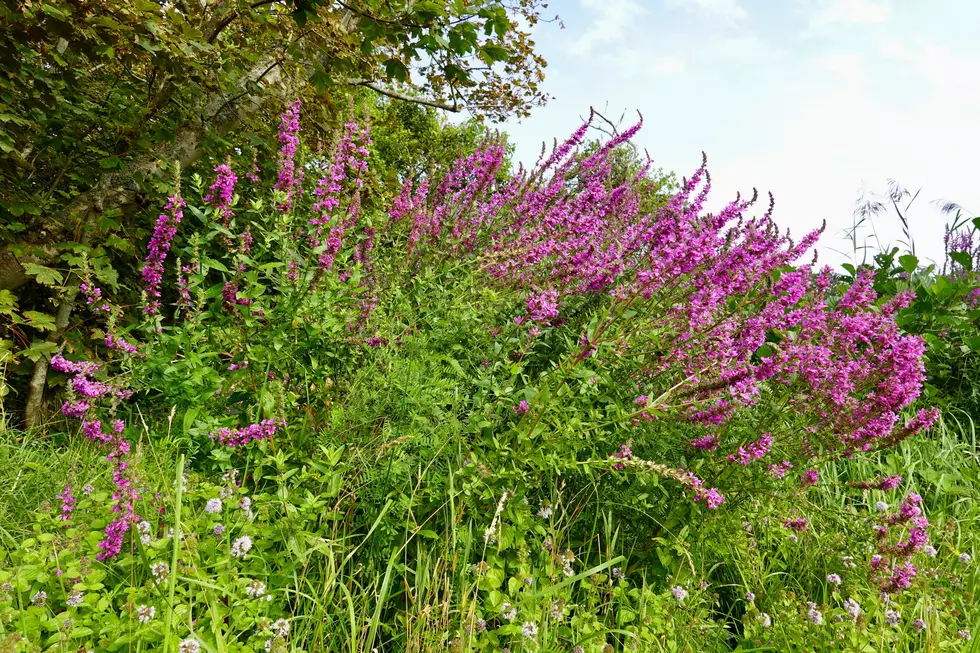
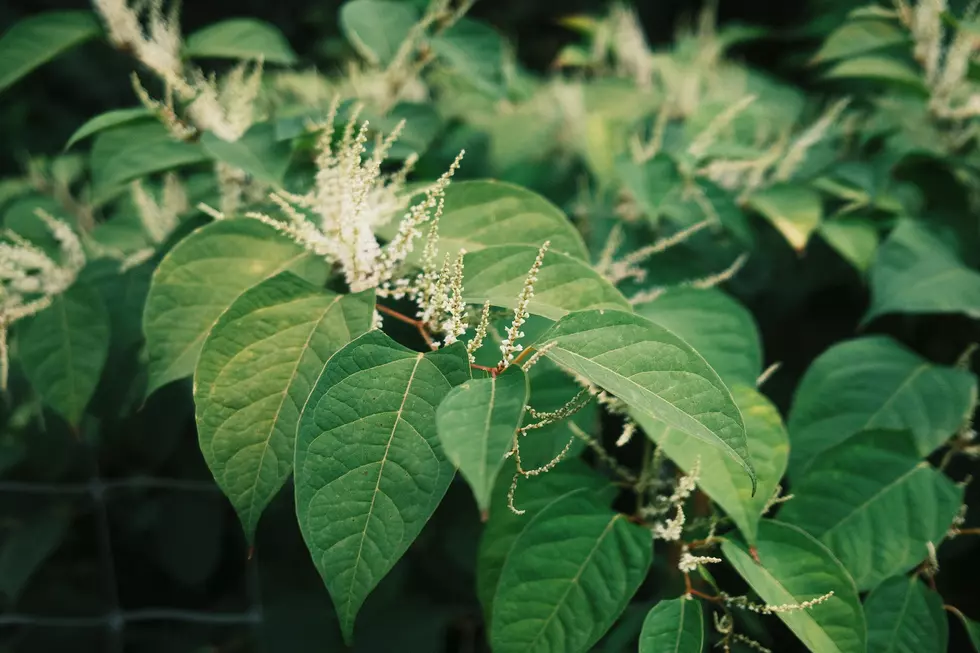
Michigan is home to more than 800 non-native plant species, but a handful are responsible for the greatest environmental damage. Among the most invasive are Japanese knotweed, garlic mustard, phragmites, purple loosestrife, autumn olive, common and glossy buckthorn, spotted knapweed, Japanese barberry, Callery pear, and wild parsnip.
Read More: Invasive Species Alert Six Plants Added in Michigan
What makes these plants some of Michigan’s most destructive and widespread invasive species is their lack of natural predators and diseases. Without those natural controls to keep them in check, they are able to spread rapidly, outcompete native plants, and disrupt local ecosystems.
How to Identify Michigan’s Invasive Mile-a-Minute Weed

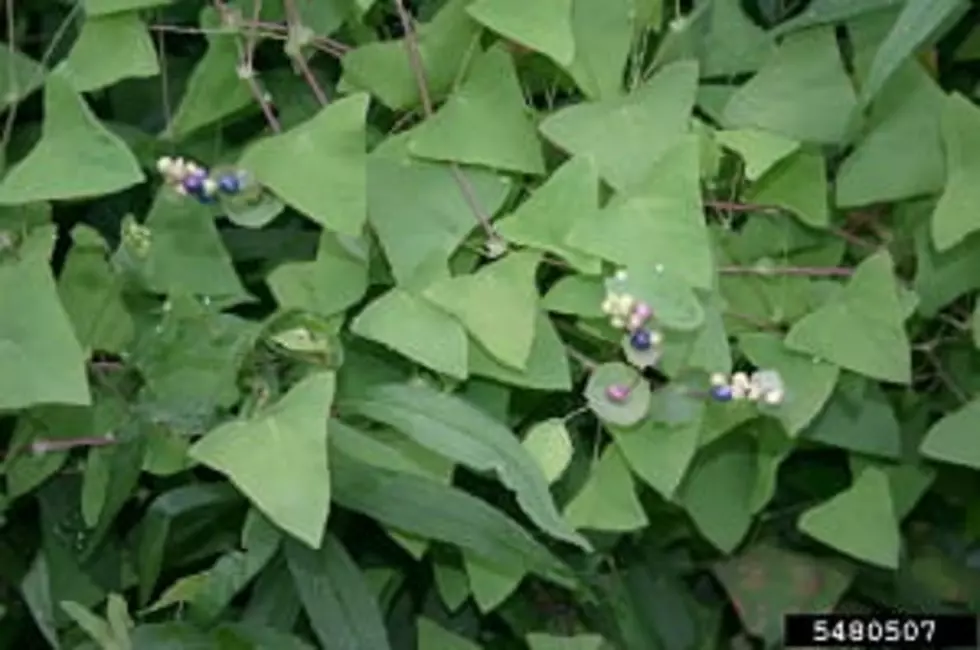
Have you heard of the mile-a-minute weed? If not, it's a plant worth learning to identify. This fast-growing vine smothers and kills other plants by forming dense, prickly mats that block sunlight and weigh down surrounding vegetation. It was first discovered in Michigan's Calhoun County in 2020 and has continued to spread ever since.
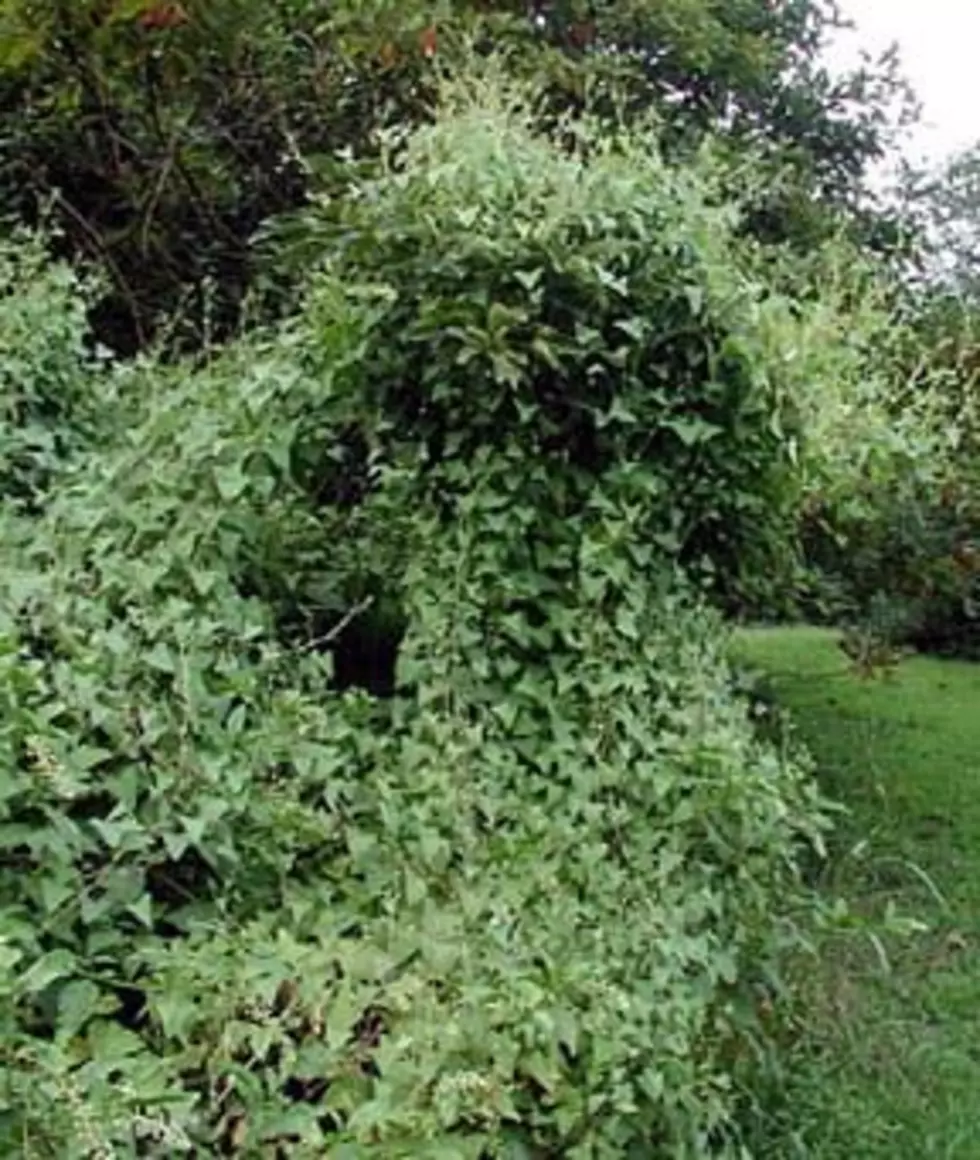
According to a Michigan Department of Natural Resources, mile-a-minute weed is a highly invasive vine capable of growing up to six inches per day. Its rapid growth allows it to quickly overtake native plants, while its dense vines can smother trees and other vegetation, making it a serious threat to the states ecosystem.

The Michigan Department of Natural Resources says mile-a-minute weed has now been confirmed in Jackson County. Although the vine is an annual plant, it produces berries that drop seeds, allowing it to return every year. While the weed can be removed by hand, the seed bank can remain active for up to six years, meaning persistent removal is needed before the infestation is fully eliminated.
👇BELOW: 10 Invasive Plants & Insects You Should Destroy if You Spot Them in Michigan👇
10 Invasive Plants & Insects You Should Destroy if You Spot Them in Michigan
Gallery Credit: Michigan.Gov
More From 97.9 WGRD