Food Scraps Are Getting a New Life in Grand Rapids
Many food scraps are tossed to avoid unpleasant odors, but they can still be useful. The City of Grand Rapids plans to give food waste a second life.
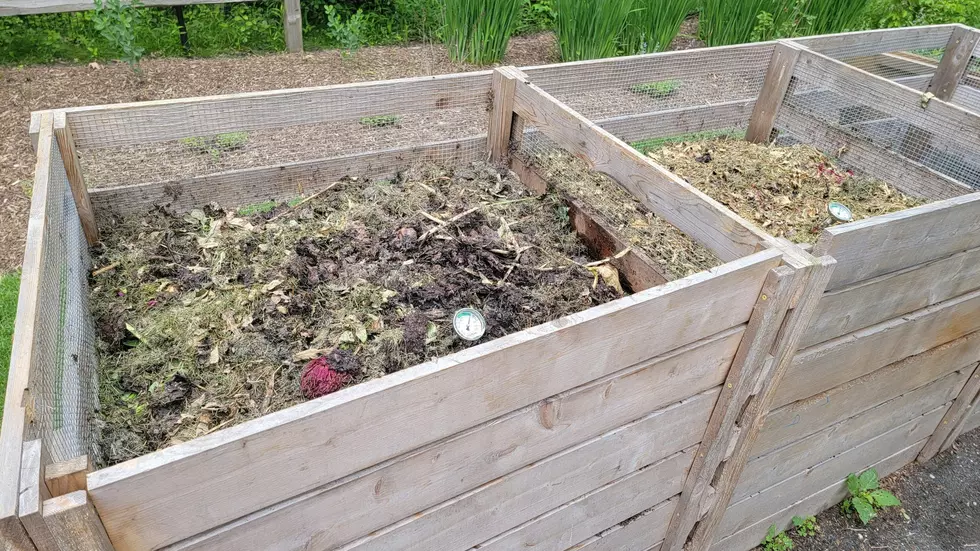
What Is a Compost Pile?
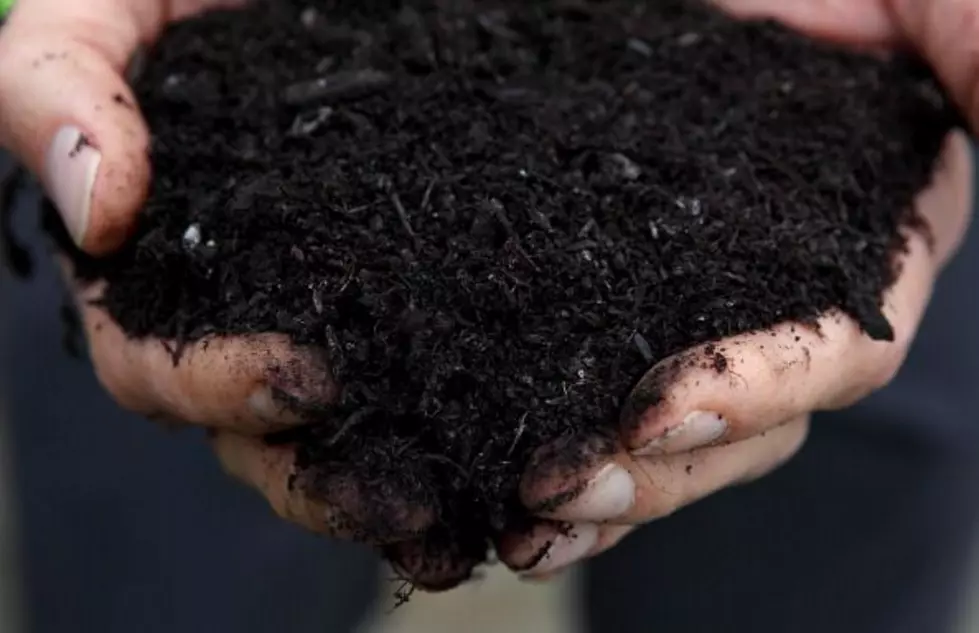
Compost is a dark, crumbly, nutrient-rich material created as microorganisms break down food scraps and other organic waste. Often called “black gold,” compost works as a natural fertilizer and soil conditioner, helping soil retain moisture while providing nutrients that support healthy plant growth.
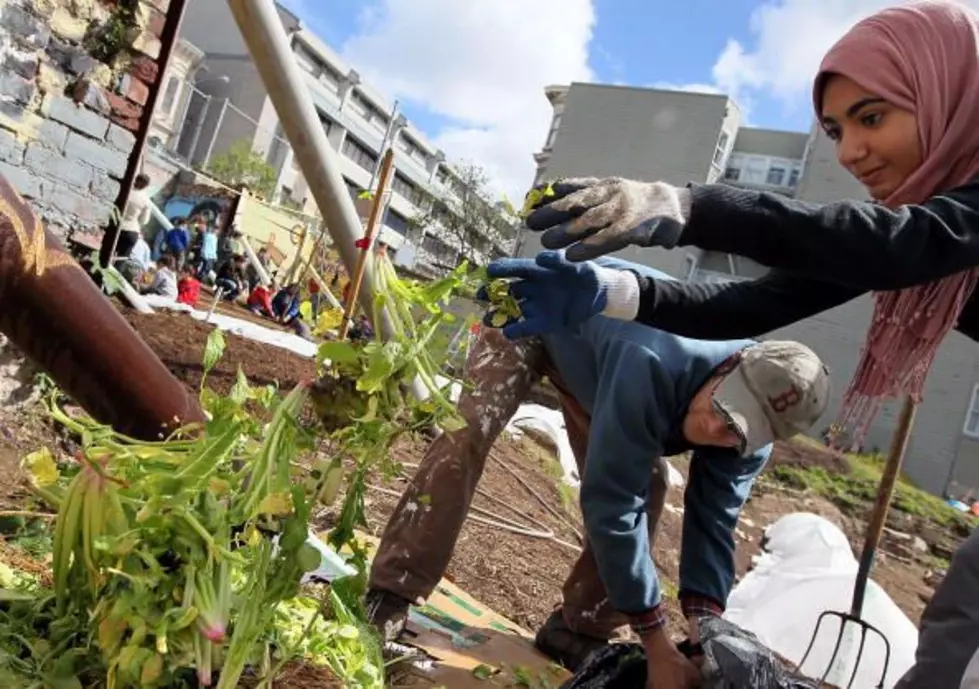
A healthy compost pile needs a balanced mix of nitrogen-rich “greens” and carbon-rich “browns,” along with enough water and air. A good rule of thumb is to use about two to three parts brown materials for every one part green materials by volume.
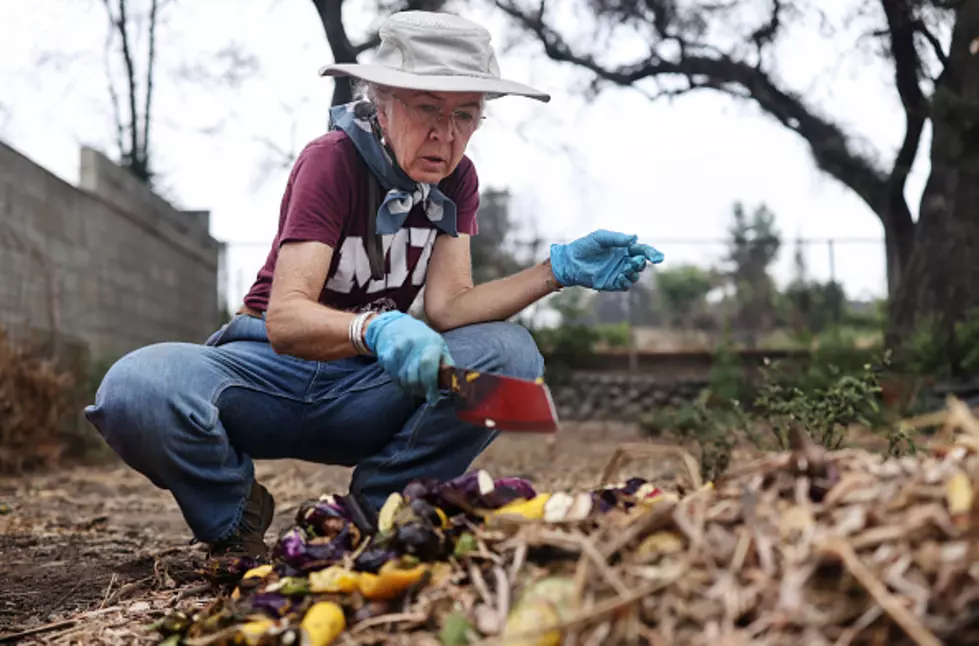
Here are some common items you can add to your compost pile: fruit and vegetable scraps, fresh grass clippings, plant trimmings, coffee grounds and filters, fresh garden weeds that haven’t gone to seed, and manure from cows, horses, or chickens.
Read More: Michigan DNR Warns About Mile-a-Minute Weed
Growing up in a household where my family gardened, I remember how my dad revived the soil in his garden every year. He had multiple compost bins for different stages of decomposition, and whenever he planted something, the plants would thrive in the rich, healthy soil. It was an amazing way to save money on fertilizer while also keeping food scraps and other waste out of the landfill.
Don’t Toss It: Grand Rapids Wants Your Food Scraps
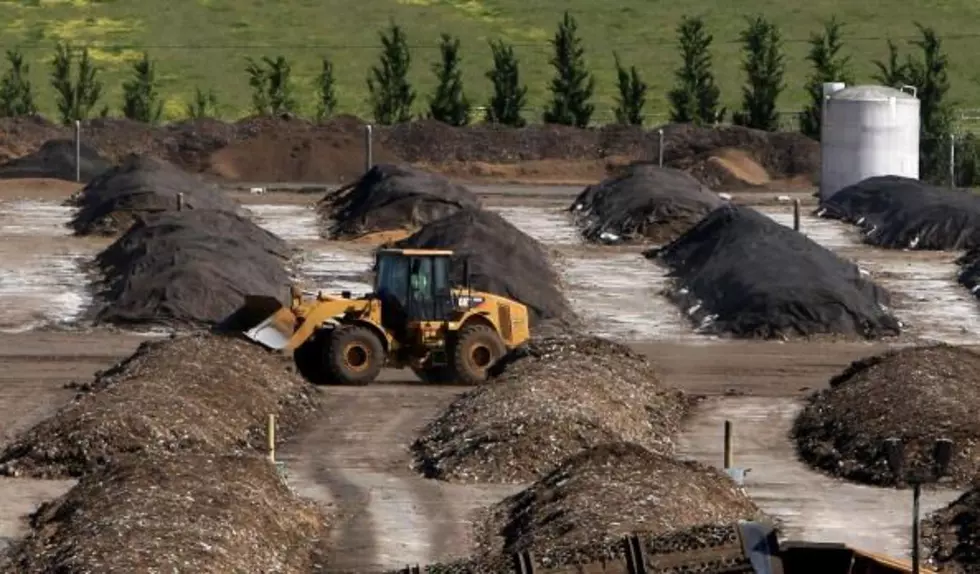
The City of Grand Rapids now offers residents a way to participate in its Renew Grand Rapids food scrap program. According to WOOD TV8, residents now have seven convenient locations where they can drop off their food and organic scraps.
- Lincoln Park
- Garfield Park
- Public Services Center
- Fulton Street Farmers Market
- Riverside Park
- MLK Park
- MacKay-Jaycees Park
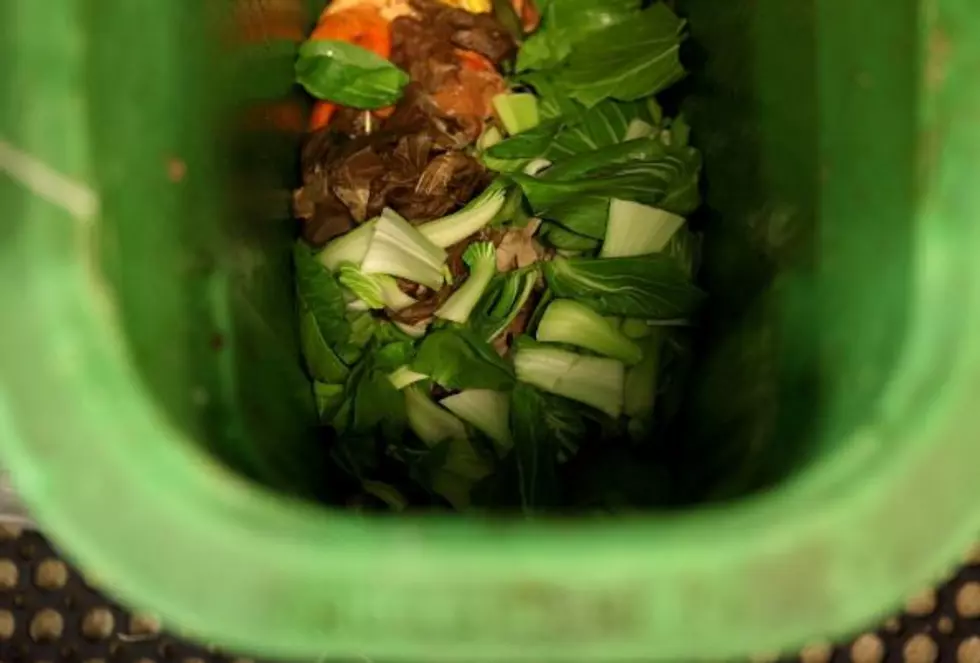
Residents will be able to use collection bins at seven locations, helping the City divert an estimated 13,000 tons of organic waste from landfills each year. That organic material will be transformed into a nutrient-rich resource that can benefit gardens and the community.

To be a part of the program and learn more about Renew Grand Rapids, learn more and sign up here.
👇BELOW: Human Composting...Becoming One With the Earth👇
Human Composting...Becoming One With the Earth
More From 97.9 WGRD