Why Michigan Is the Birthplace of the Modern Traffic Light
One of the most stressful parts of driver's training for me wasn't getting on or driving on the highway. No, it was the dreaded yellow light, the few seconds after a happy green light and a life-ending red light. I used to be absolutely terrible at gauging whether I could make the light. I ended up passing my test, but it was a shock to many.

But it turns out the tri-color stoplight that revolutionized the way traffic is regulated all around the world was created here in Michigan.
⬇️30 PRODUCTS YOU DIDN'T KNOW WERE MADE IN MICHIGAN⬇️
A Quick History of Traffic
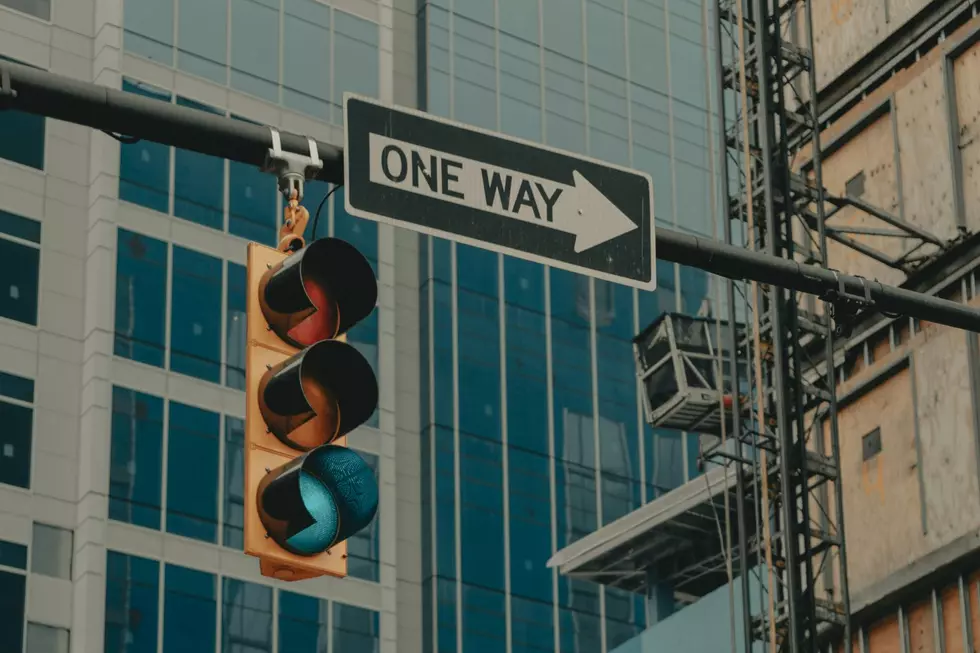
As cities grew and automobiles became more commonplace, the way traffic was controlled changed with it. Originally, a police officer was designated for busy intersections to start and stop traffic but eventually, the task became too much for the officers.
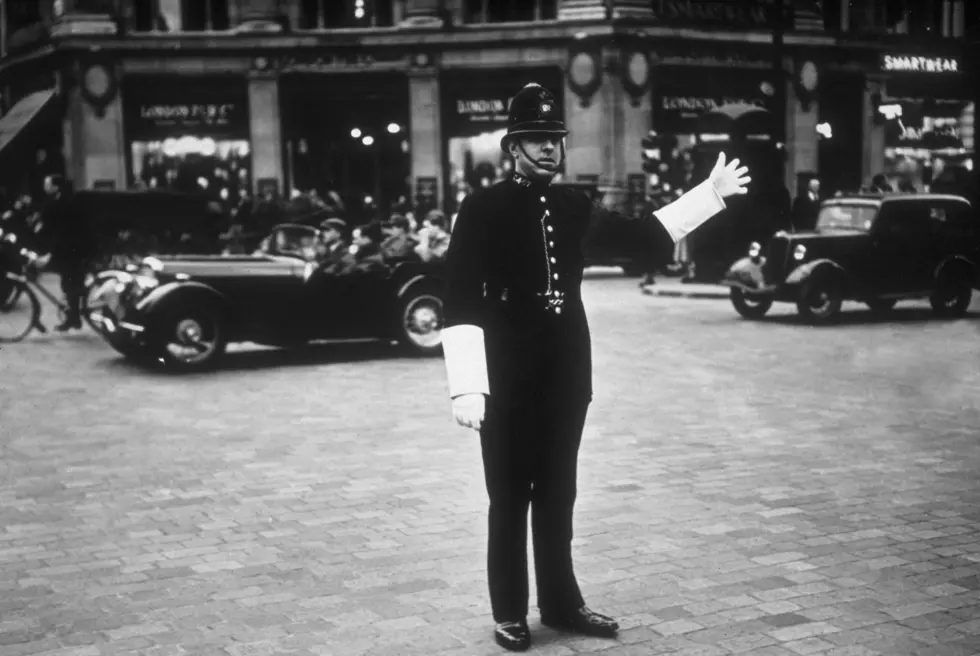
As technology advanced, eventually a two-light/two-signal system was used that told drivers to "go" and "stop". Before it was a light, a simple "proceed" and "stop" signal was used before this evolved into a light system. While this was safer for the officers, it still didn't give drivers a good enough heads-up to avoid collisions.
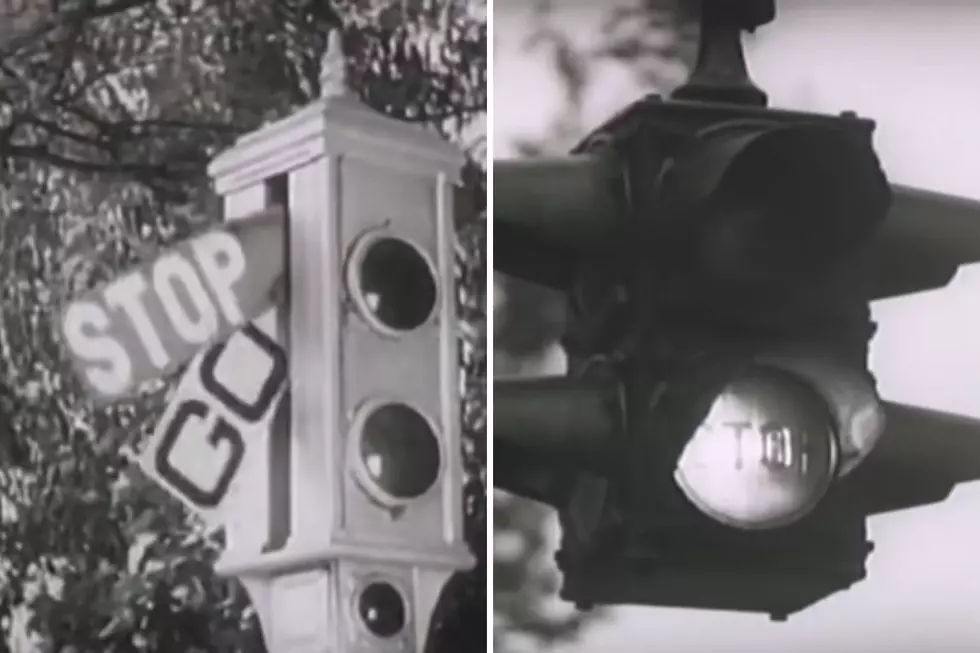
So it makes sense that it would be a police officer who would ultimately come up with the perfect solution for traffic.
William Potts' Tri-Color Traffic Signal
While the "go" and "stop" are good at telling people when to perform those actions, the time between the switch was still resulting in collisions. Drivers just didn't have enough of a warning to stop. If you thought slamming on the breaks these days is scary, imagine doing it in a car from 100 years ago without a seatbelt. Yikes.
READ MORE: 7 Things That Wouldn’t Exist Without Michiganders
So William Potts, a traffic officer from Detroit came up with the tri-color traffic signal in 1920. While his traffic signal kept the green and red lights drivers were used to, he added a third "amber" light to warn drivers the lights were changing, giving them to react.

The first was installed at Woodward Avenue and Fort Street and was an instant success. Not only was the amber color effective, but this light was able to control traffic on four sides. By the mid-1930s, it was standard around the country and to this day.
30 Products You Didn't Know Were Made In Michigan
Gallery Credit: Tommy McNeill
10 ORIGINAL Dishes/Meals Created In Michigan
Gallery Credit: Tommy McNeill
More From 97.9 WGRD