The World’s Most Poisonous Book Was Created In Michigan. Huh?
I know, you're reading that title and wondering how a book could be poisonous. Across history, when you hear of someone dying from poison, you typically think of a covert assassination, a spy consuming a cyanide pill to avoid torture, or someone eating a poisonous animal and paying the consequence.

But this is not how most poisonings occur; it is far more common for this to occur in the home from accidental ingestion of common cleaning supplies or in old homes built with outdated materials, like asbestos, lead, and mercury.
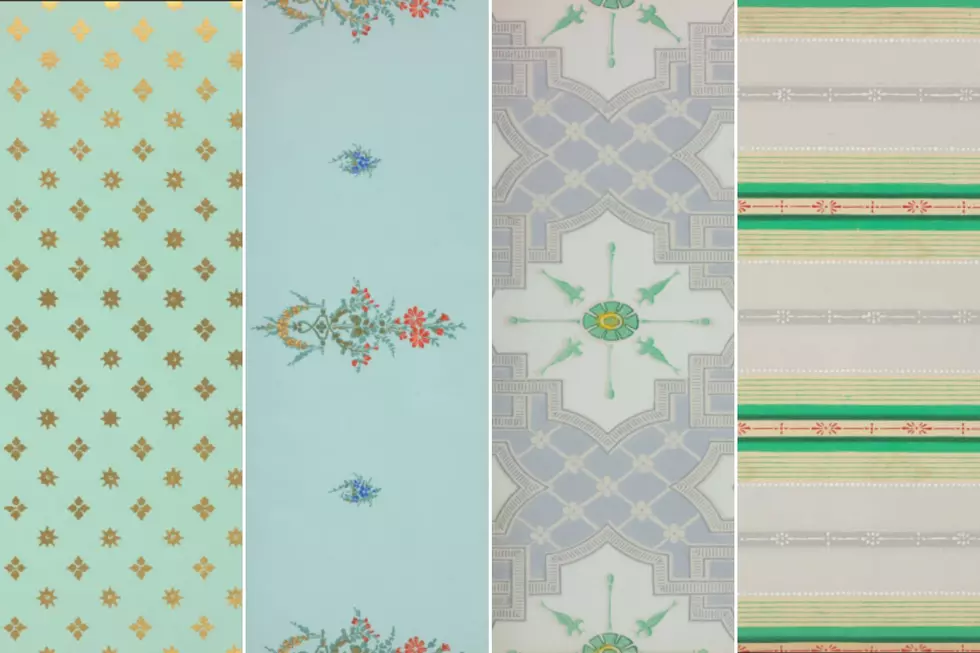
So, how does this relate to a book, and how does a book even become poisonous? It's because this book combines these factors, and it was meant to showcase a hidden danger of early wallpaper pigment, which had knowingly exposed thousands, maybe millions, to arsenic, yet few were aware of the consequences.
Shadows from the Wall of Death, The World's Most Dangerous Book
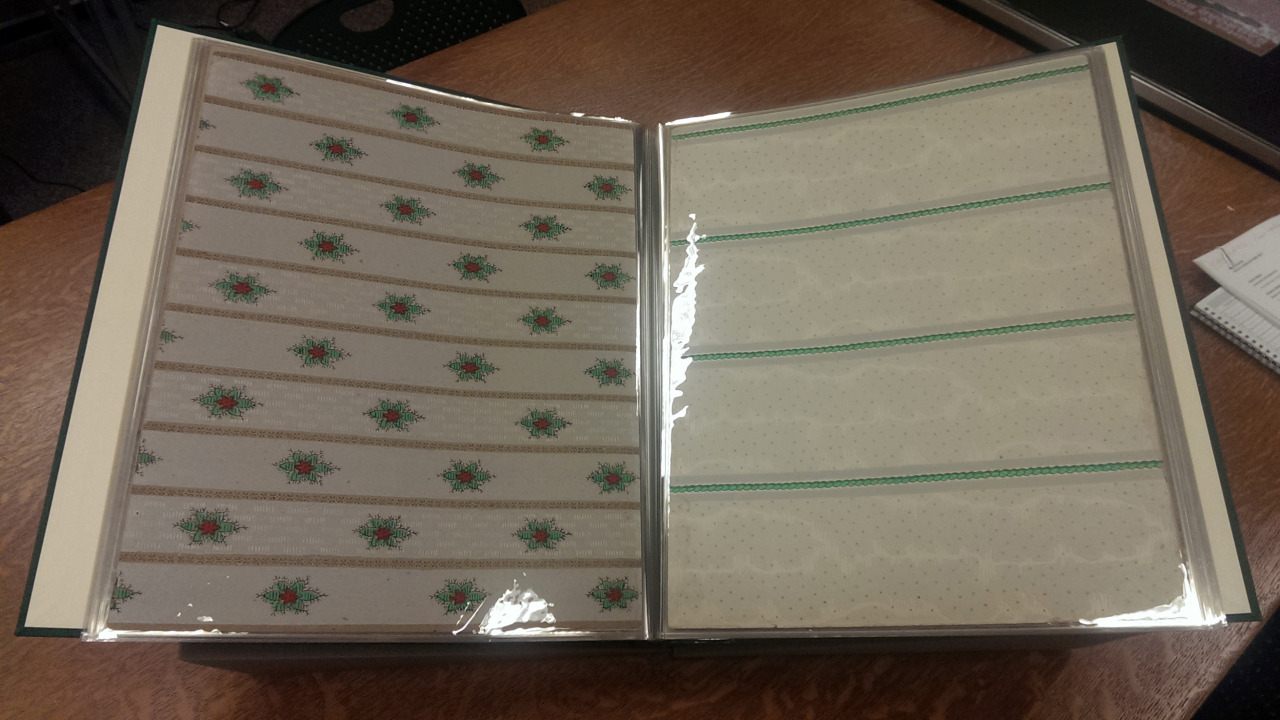
The Victorian era was the first to crack the code for producing "vivid dye formulas that produced brilliant yellows, reds, blues, purples, and greens," leading to the creation of wallpaper. That's exactly what this book is about: a collection of readily available wallpaper samples. But this picture book isn't meant for casual viewing.
READ MORE: A Michigan Man Spent 38 Years Building a House Out of Bottles
First published in 1874, Shadows from the Wall of Death by Robert C. Kedzie is a book with very little writing, but the words it does have are haunting. To produce these vivid dyes, arsenic was used to create the green color featured in up to 65% of wallpaper in the US at the time.
Arsenic, for those unaware, is highly poisonous and very deadly.

Per a warning included in the book from the State Board of Health, of which he was a part:
These papers have been collected in this State by Prof. R. C. Kedzie, member of the State Board of Health. Each sample has been examined by him and found to contain arsenic.
These books of Specimens are distributed to the leading public libraries throughout this State, in the hope that by so doing the people will be more effectually warned of this source of danger to health, which is believed to be more general than is usually understood by the people.
In the book, Kedzie argued that pieces of arsenic would peel from the walls, mix with dust, and be inhaled by anyone in its vicinity, according to page 3. People would be "mysteriously ill," and when they would naturally attempt to recover at home, the poisonous walls would only make them sicker due to further exposure. Upon leaving the home, they would recover.
To raise awareness of this issue, Kedzie sent 100 books to libraries across Michigan to highlight the hidden killer inside people's walls. While he succeeded in raising awareness, most of the copies of the book were destroyed because, well, it's incredibly poisonous. Only 4 copies of this book remain, all sealed away to prevent exposure to arsenic.
It is for this reason that the Guinness Book of World Records has deemed this book the most poisonous book in the world. Two copies are still here in Michigan: at Michigan State University (which you can view in person) and at the University of Michigan. You can check out the book for free online, with no risk.
The Wild World Records Held By Michiganders
Gallery Credit: Tommy McNeill
25 Places Around Grand Rapids That Are Gone But We Still Love
Gallery Credit: Tommy McNeill
More From 97.9 WGRD