DNR Cameras Offer New Look at Wolf Population
For over 30 years, the Michigan DNR has monitored wolves in the Upper Peninsula. For the first time, researchers have estimated the population using trail-camera data.
How the DNR Previously Estimated Wolf Numbers
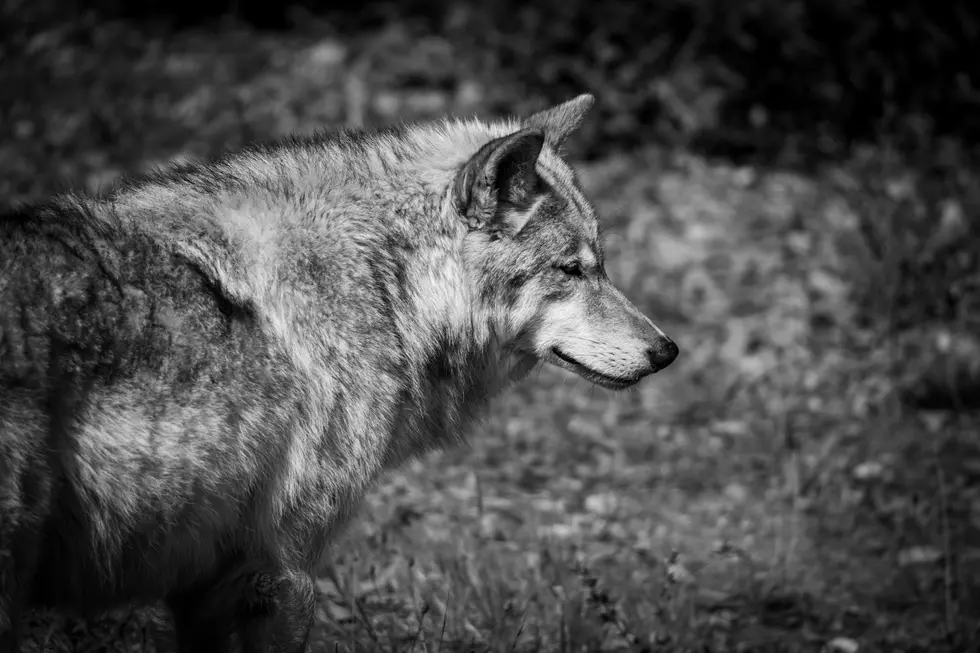
For decades, the DNR devoted significant resources to estimating the number of gray wolves in the Upper Peninsula. Researchers have found that Michigan’s wolf population has exceeded state and federal recovery goals for more than two decades, meaning Michigan’s wolves no longer warrant endangered-species status.
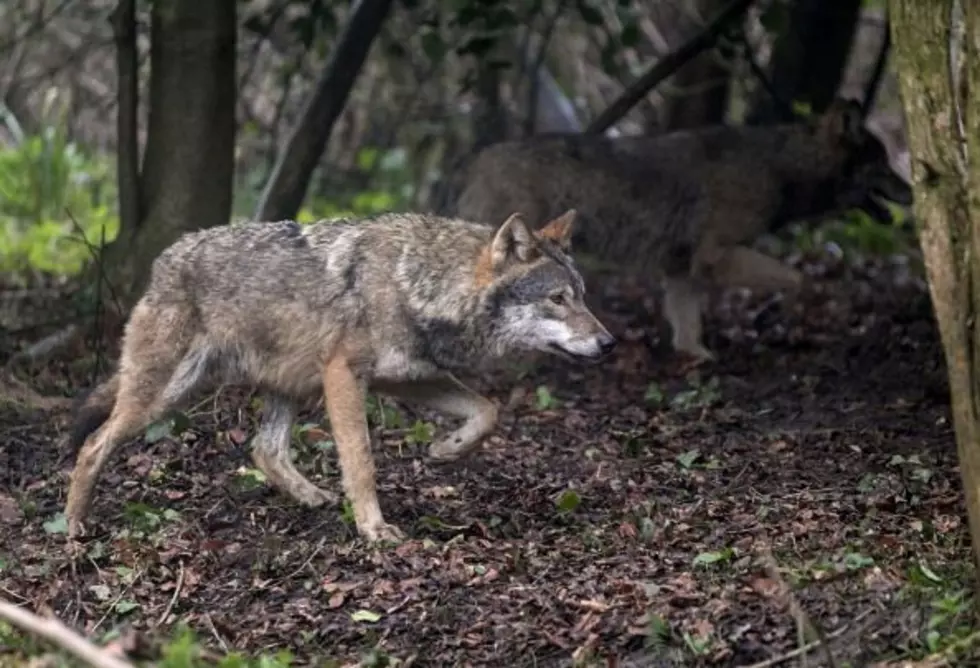
Early wolf surveys required DNR researchers to locate packs and follow their tracks for miles to determine the number of wolves in each pack. Because the surveys depended on snow, tracking wolves through U.P. winters was challenging, especially when frequent snowfall covered existing tracks. This method was used for 25 years and produced widely varying population estimates from year to year.
Read More: Bold Isle Royale Wolves Force Campground Closures
How DNR Uses Cameras to Estimate Wolf Numbers

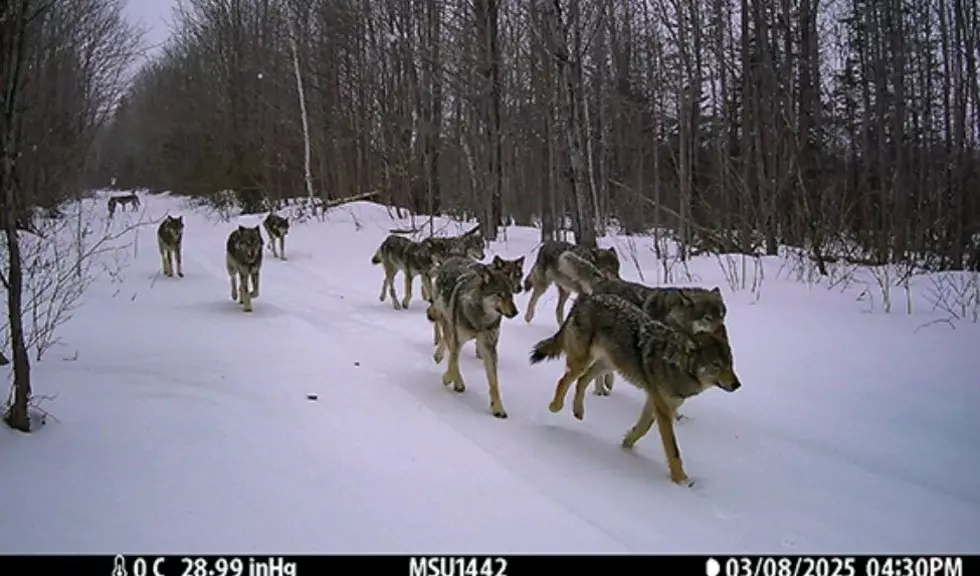
According to a Michigan Department of Natural Resources press release, the DNR and Michigan State University researchers successfully estimated Michigan’s wolf population by installing 1,311 trail cameras across the Upper Peninsula. The cameras were mounted 4 to 5 feet above the ground on trees near low-use roads and trails where wolves are known to travel frequently.

Installing the cameras made it much easier for researchers to retrieve memory cards and replace batteries than tracking wolves through the snow. Michigan State University researchers sorted the images to identify different species, while computer software removed photos containing people and vehicles.

Data collected from 2023 through 2025 showed the highest wolf numbers from September through November, with estimates averaging just over 1,000 wolves. Researchers saw more wolves in the fall because the pups had gotten big enough to travel with the pack. The lowest estimates came from February through April, averaging just under 550 wolves. The numbers were lower because the pups remain in the den with pack members which keep them from moving. The consistent seasonal pattern gave researchers confidence in the survey results.

Researchers found no major surprises in the wolf population estimates. The trail-camera system appeared to be a more efficient and cost-effective method for long-term monitoring.
BELOW: 10 Amazing Things You Didn't Know About Gray Wolves👇
10 Amazing Things You Didn't Know About Gray Wolves
The Wolves of Michigan
More From 97.9 WGRD