Possible Ricin Found at Hastings Apartment Building
After 9/11 in 2001, ricin became a topic of concern since traces of the poison were found in al-Qaeda training caves. Now, 25 years later after it was potentially discovered in Hastings, Michigan.
Why Is Ricin So Dangerous?
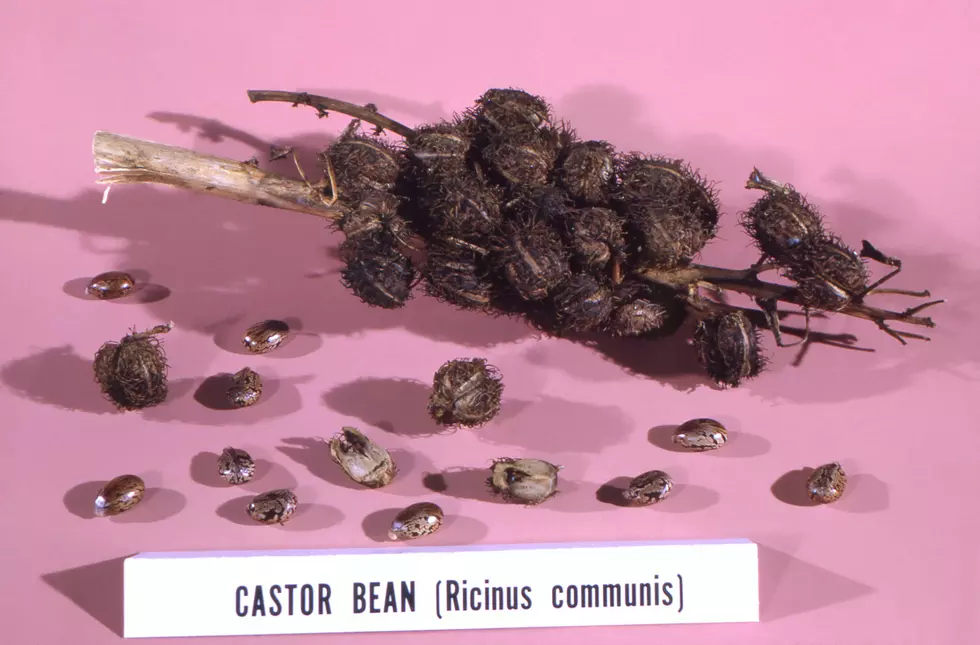
Ricin is a highly potent, naturally occurring poison found in the seeds of the castor bean plant. It kills human cells by interfering with their ability to produce proteins. This disruption causes cells to die, which can lead to organ failure and, in severe cases, death.
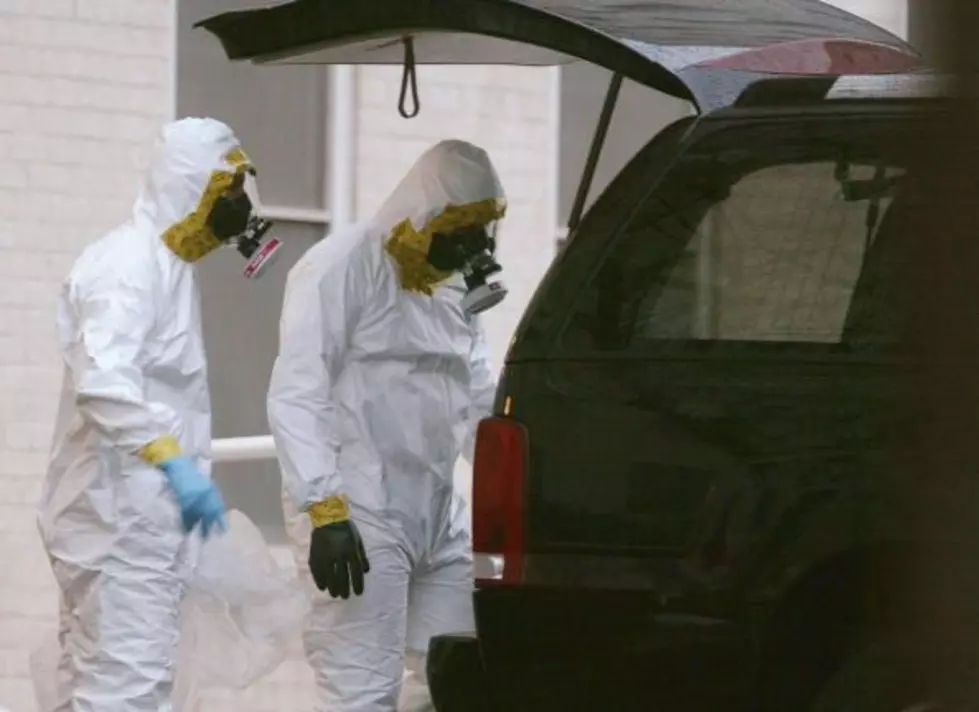
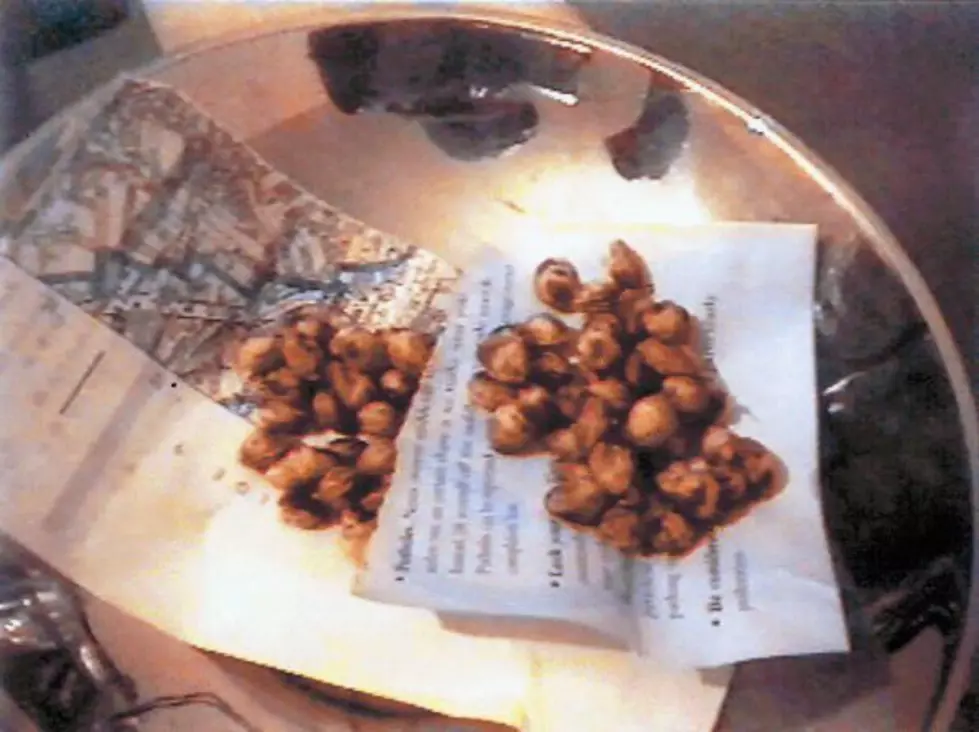
Ricin can be difficult to detect because it may occur in several forms, including a powder, mist, pellet, or dissolved in liquid. It is not contagious and cannot spread from person to person. However, exposure can occur through inhalation, ingestion, injection, or contact with the skin or eyes.
Read More: Michigan Man Faces Stunning 136-Year Prison Sentence
Ricin is generally not associated with mass-casualty attacks, but exposure to even a small amount can be extremely dangerous to an individual.
Hastings Apartment Building Evacuated Over Possible Ricin Exposure
WOOD TV 8 reported that a Hastings resident had been isolated at Corewell Health Pennock Hospital after potentially being exposed to ricin. The Barry-Eaton District Health Department also instructed residents of the Tyden Lofts apartments to evacuate while officials assessed and contained the affected areas.
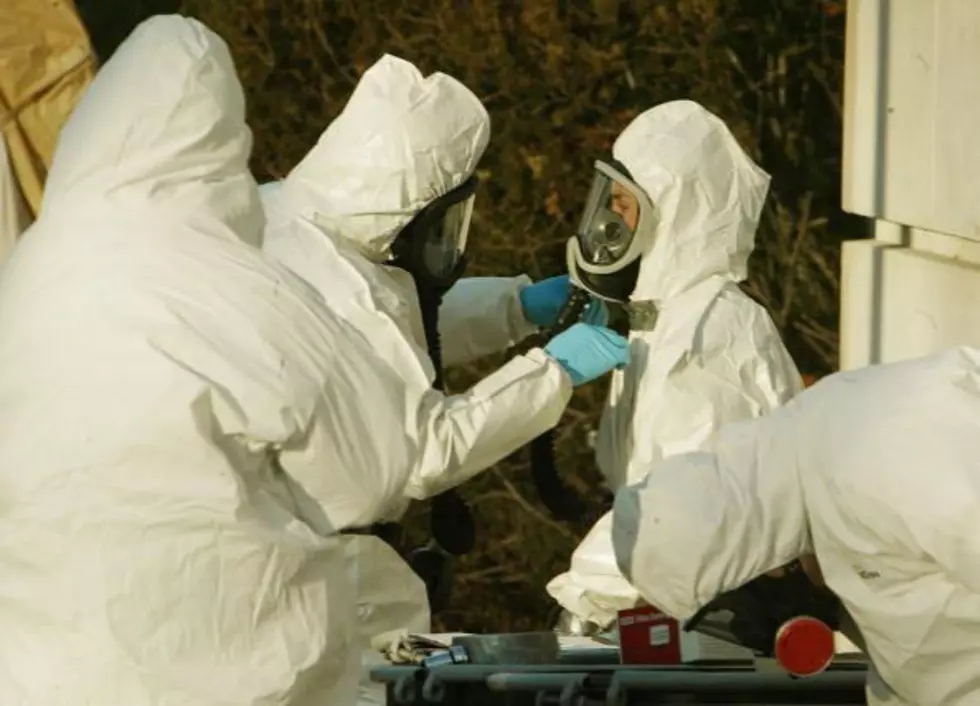
Additional testing is underway to determine whether ricin was present. Health officials said there is currently no threat to the public.

The Michigan State Police and the Federal Bureau of Investigation are are investigating the incident.
👇BELOW: Hikers Beware: Look Out for Michigan's 7 Poisonous Plants👇
Hikers Beware: Look Out for Michigan's 7 Poisonous Plants
Gallery Credit: Scott Clow
More From 97.9 WGRD